
 By Anson Lee
Most leaders plan for the future they expect. A small minority plan for several futures at once, and the gap between those two groups keeps widening. McLean & Company’s HR Trends Report 2026 found that only 22% of organizations use a structured, documented scenario-planning approach. Those that do are 2.1 times more likely to rank as high performers in innovation and 1.8 times more likely to excel at executing their goals.
Karen Mann, senior vice president of human resources research at McLean & Company, framed the underlying tension this way: “Organizations are trying to move faster than ever, but their systems for leadership, culture, and change haven’t fully caught up.”
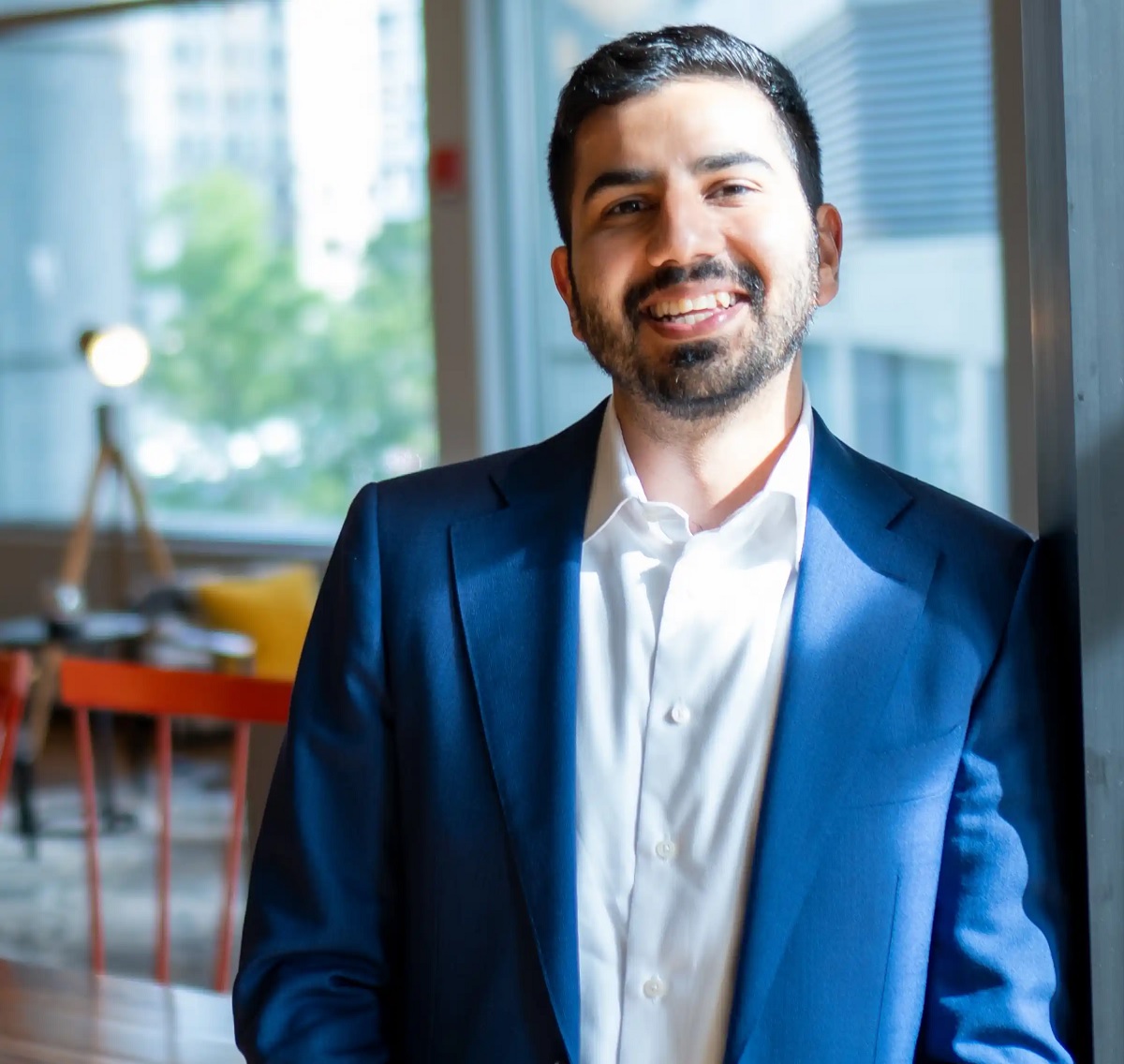
That mismatch between speed and structure is where Nicholas Mukhtar concentrates his consulting work. The Fort Lauderdale-based founder of Tera Strategies advises business owners and family offices on building processes that hold up when conditions change, and his recent analysis argues that good decisions come from frameworks rather than from a leader’s ability to react in the moment.
Scenario planning sounds like a corporate luxury. It is closer to a cheap insurance policy. A mid-size firm does not need a war room or a forecasting department. It needs a short written document that answers a few uncomfortable questions. What happens to cash flow if revenue drops 20% for two quarters? Who has authority to cut spending, and how fast? Which customers or suppliers would hurt most if they walked? Writing the answers before a crisis converts panic into procedure.
The discipline matters more for organizations that depend heavily on one person. A family office structured around a single founding principal carries a quiet risk: when that individual is unavailable, decision-making stops. A documented set of scenarios distributes judgment in advance, so the people left holding the work already know the playbook.
Mukhtar’s background gives the point some weight. He earned dual master’s degrees in public policy and public health from Johns Hopkins University as a Bloomberg Fellow. That training centered on anticipating how today’s decisions ripple into tomorrow’s outcomes, and the habit of mapping consequences before they arrive now shapes how he pushes clients to prepare.
The 22% figure should read less as a statistic and more as an opening. Four out of five organizations are leaving a measurable performance edge on the table because the work feels optional until the day it suddenly isn’t. The firms that treat scenario planning as a standing habit rather than a one-time exercise tend to be the ones still standing when a shock finally arrives, and they get there without the scramble that defines everyone else’s response.