 By Anson Lee
Industrial gear pumps play an essential role in keeping operations running smoothly across manufacturing, chemical processing, construction, agriculture, and energy sectors. Their ability to deliver consistent flow rates and handle demanding workloads makes them indispensable. However, even the most durable pump systems require routine care to maintain performance, extend lifespan, and prevent unexpected failures that can lead to costly downtime. Proper maintenance is not just a recommended practice; it is a strategic investment in operational efficiency.
This comprehensive guide explores practical steps, best practices, and expert insights to help you maintain industrial gear pumps for maximum output and minimum interruptions. Whether your facility uses compact units or High-pressure gear pumps built for heavy-duty tasks, the maintenance principles below will ensure long-term reliability and optimized performance.
Understanding the Importance of Proactive Maintenance
Proactive maintenance helps identify small issues before they escalate into major problems. Industrial gear pumps operate under high stress, often in demanding environments where temperature, viscosity, and continuous load affect performance. Without regular inspections and proper care, wear and tear can compromise the pump’s internal components, resulting in inefficient operation or complete breakdown.
Proactive maintenance offers several benefits, including improved flow consistency, reduced energy consumption, longer equipment life, minimized risk of leaks, and lower repair expenses. When maintenance becomes part of a routine schedule rather than a reactive approach, facilities see measurable improvements in productivity and system stability.
Regular Inspection and Monitoring of Pump Components
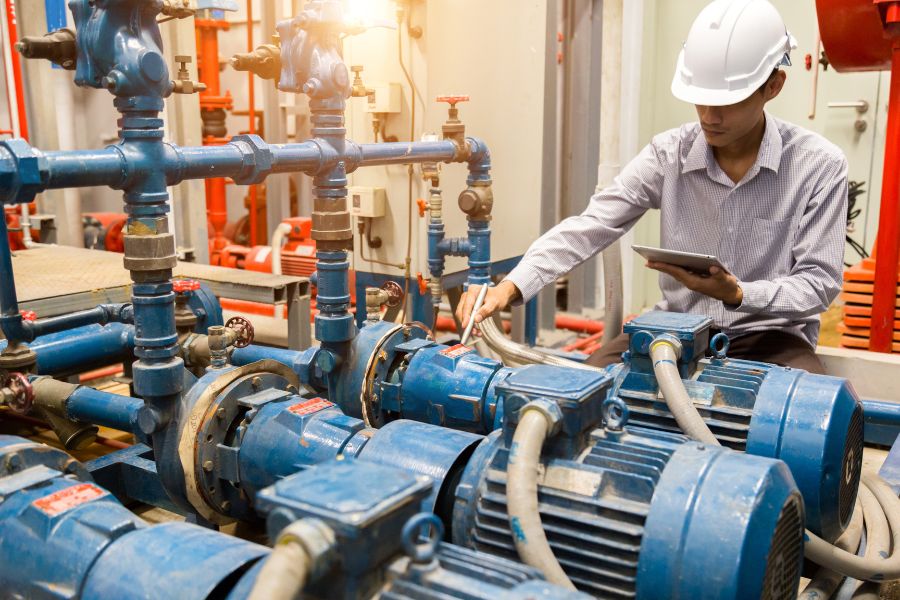
One of the most effective ways to maintain industrial gear pumps is through frequent inspections. Routine checks can reveal early signs of malfunction long before they impact your production line.
Start by examining the pump casing for cracks, corrosion, or unusual wear patterns. Even minor structural issues can affect internal clearances and fluid flow dynamics. Next, inspect the gears. Worn, chipped, or misaligned gears are common sources of pressure loss and internal leakage. Monitoring the shaft alignment is also essential. Misalignment causes excessive vibration, which gradually leads to premature bearing and seal failure.
Performance indicators such as noise level, vibration intensity, temperature changes, and pressure fluctuations provide valuable insight into pump health. Installing vibration and temperature sensors can help operators track trends over time, enabling timely intervention.
Maintaining Proper Lubrication
Adequate lubrication is vital for the smooth functioning of any gear-driven mechanism, and pumps are no exception. Proper lubricant levels and quality directly influence the lifespan of gears, shafts, and bearings.
Use the manufacturer-recommended lubrication type and ensure it is compatible with the fluid being pumped. Contaminated or degraded lubricant increases friction, leading to heat buildup and rapid component wear. Periodically inspect oil quality for metal particles or discoloration, which may indicate internal damage.
Scheduled lubrication changes are another crucial aspect. Over time, lubricants lose their viscosity and protective properties. Replacing them at regular intervals ensures consistent performance and reduces mechanical stress inside the pump assembly.
Ensuring Correct Fluid Viscosity and Cleanliness
Industrial gear pumps rely on fluid viscosity to operate efficiently. If the fluid is too thick, the pump must work harder, increasing energy consumption and wear. If it is too thin, lubrication inside the pump decreases, causing internal scoring and reduced pressure output.
Maintaining the correct viscosity ensures optimal flow and pressure levels. Regular fluid analysis helps detect changes in viscosity, contamination, or chemical degradation. Contaminants such as dirt, metal shavings, moisture, or chemical residue can severely harm pump components and disrupt internal clearances.
Installing high-quality filtration systems is one way to keep fluids clean. Routine checks and filter replacements prevent contaminants from entering the pump and protect the internal surfaces from abrasion and corrosion.
Preventing Overheating for Enhanced Pump Longevity
Overheating is one of the most common causes of premature pump failure. Excessive heat accelerates wear, reduces lubrication effectiveness, and can distort internal components.
To prevent overheating, ensure the pump has proper ventilation and is not exposed to external heat sources. Check the cooling systems regularly if your process relies on them. Monitoring pump temperature during operation allows operators to identify abnormal spikes, which may indicate overloading, insufficient lubrication, clogged filters, or internal friction.
High-pressure gear pumps, in particular, operate under intense workloads, making them more susceptible to heat-related issues. Ensuring they operate within recommended temperature parameters significantly improves reliability and performance.
Seal and Bearing Maintenance for Leak-Free Operation
Seals and bearings are crucial for ensuring leak-free operation and smooth rotation. They endure continuous stress and wear, especially in environments with high temperatures or abrasive fluids.
Regularly inspect seals for cracking, swelling, or hardening. A worn seal can lead to leaks, pressure drops, and contamination of the internal system. Replacing seals during routine maintenance prevents failures that could halt production and cause environmental hazards.
Bearings must also be checked for smooth rotation and proper lubrication. Noisy or rough bearings are early indicators of wear. Addressing these issues promptly avoids more extensive damage to shafts and gears.
Maintaining Proper Alignment and Mounting
Proper alignment ensures industrial gear pumps operate without undue stress on components. Misalignment between the pump and the drive system can cause vibration, noise, increased power consumption, and accelerated wear of gears and bearings.
Regular alignment checks help maintain mechanical balance. Use precision alignment tools to measure parallel and angular alignment, and adjust as necessary. Additionally, ensure that the pump mounts securely to its base. Loose mounting can exacerbate vibration and damage both the pump and the connected piping system.
Following a Scheduled Maintenance Routine
The most effective way to maintain peak pump performance is by following a structured maintenance schedule. Whether your facility runs High-pressure gear pumps or standard models, a clearly defined routine ensures all components are checked, cleaned, and serviced at appropriate intervals.
Create a maintenance plan that includes daily, weekly, monthly, and annual tasks. Daily tasks may include checking noise levels, pressure readings, and fluid levels. Weekly or monthly tasks might involve lubrication checks, filter inspections, and vibration monitoring. Annual maintenance should include a complete system evaluation, gear inspection, and seal replacement.
Documenting each maintenance activity provides a detailed history of pump performance, helping operators identify patterns and adjust maintenance strategies as needed.
Training Staff for Proper Operation and Care
Even the most advanced maintenance plan depends on knowledgeable operators. Proper training ensures staff understand how industrial gear pumps work, how to monitor them during operation, and how to recognize early warning signs of potential issues.
Training should cover safe handling practices, performance monitoring techniques, and basic troubleshooting. Empowering staff with this knowledge minimizes operational errors and promotes a culture of preventive maintenance.
Maintaining industrial gear pumps for maximum output and minimum downtime is a continuous process requiring attention, precision, and proactive care. By focusing on regular inspections, proper lubrication, fluid cleanliness, temperature management, seal and bearing care, alignment, and routine scheduling, facilities can significantly enhance pump performance and longevity. High-pressure gear pumps and standard models alike benefit from these practices, ensuring reliable operation even in demanding industrial settings.
A well-maintained pump system not only improves productivity but also reduces operating costs and supports long-term operational success. With consistent effort and informed maintenance strategies, you can ensure your gear pumps deliver optimal performance every day.